A Culinary Tribute to the Jamaican Food Centennial
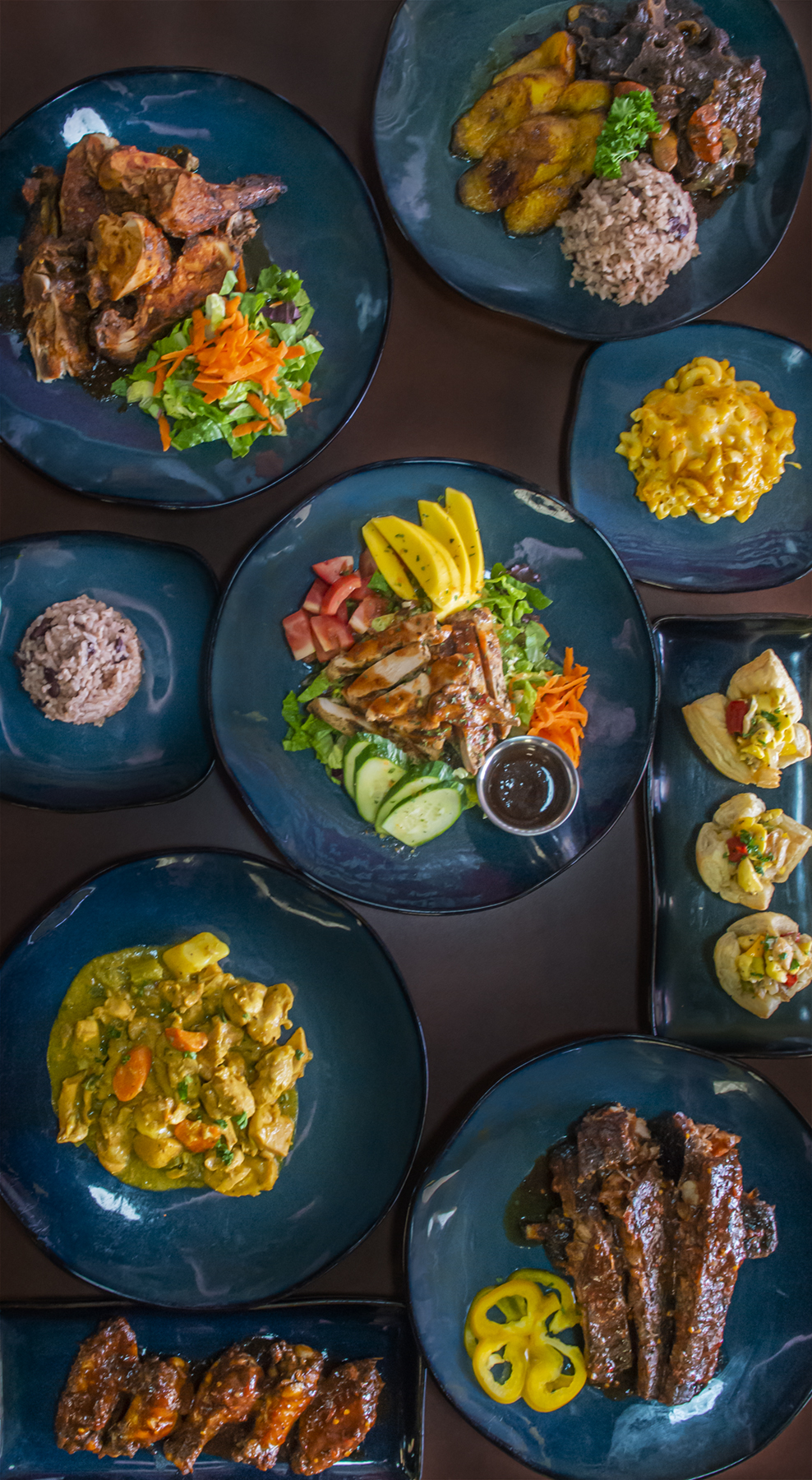
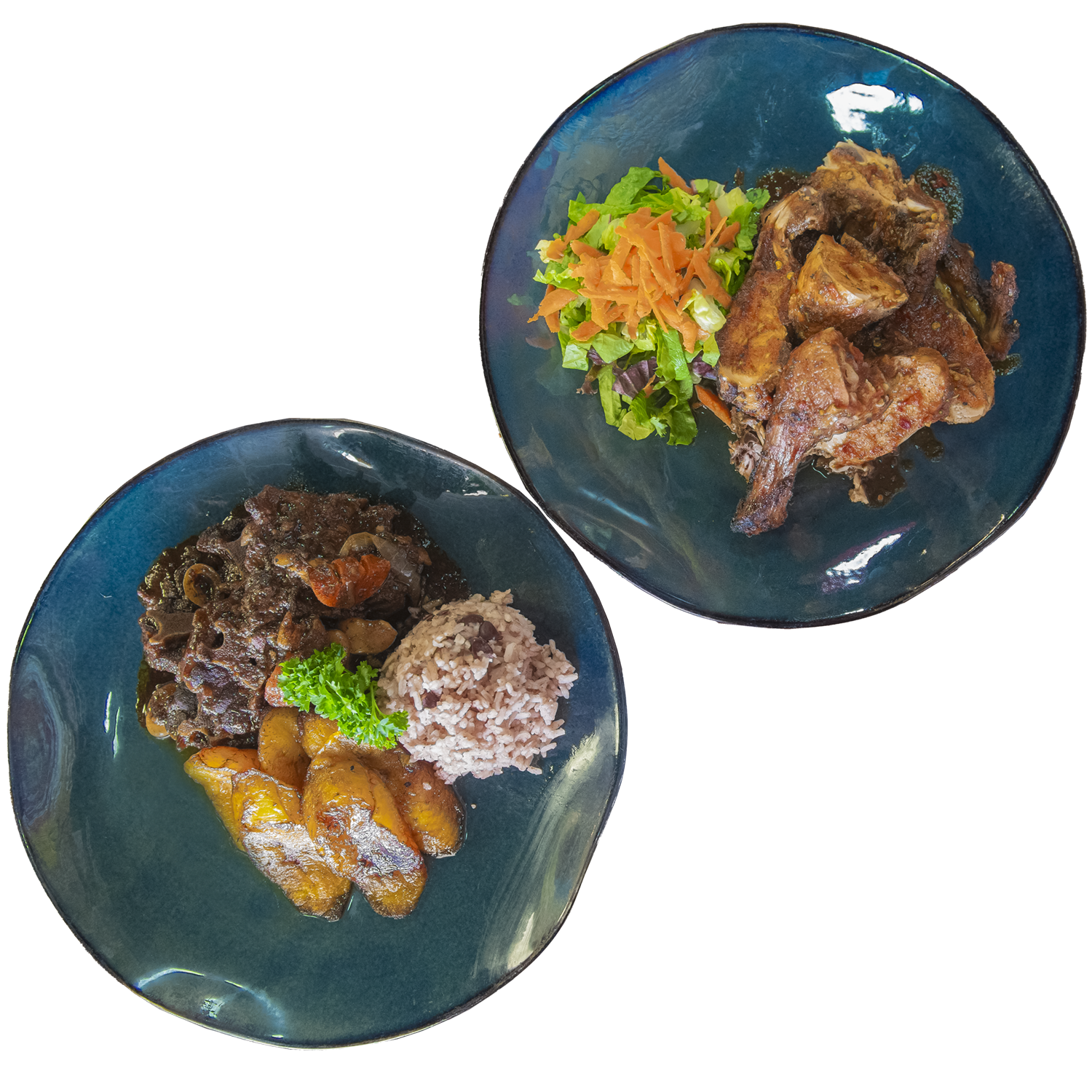
A centennial invites memory, but food demands something more than memory. It asks for taste, smell, texture, labor, weather, and time. To mark a Jamaican food centennial properly is not simply to praise beloved dishes or repeat familiar lines about spice and sunshine. It is to recognize a living tradition shaped by Indigenous knowledge, African resilience, European colonial influence, Indian and Chinese migration, and the practical genius of home cooks who built flavor under pressure. Jamaican cuisine has never been static. It has always moved, adapted, borrowed, protected, and refined.
That is what makes a tribute meaningful. The story of Jamaican food is not only found in famous dishes served on hotel menus or in glossy cookbooks. It is carried in roadside jerk pans smoking at dusk, in market stalls stacked with callaloo and cho cho, in Sunday dinners that begin early and finish late, in patties eaten from paper bags, and in soups that feel medicinal long before anyone reaches for medicine. A real celebration of the jamaican food centennial has to make room for all of it, the ceremonial and the ordinary, the export and the home table, the festive plate and the pot that stretches to feed many mouths.
More than a menu, a record of survival
The strongest cuisines often come from places that had no choice but to make much from little. Jamaica fits that pattern exactly. Its food history reflects plantation economics, forced migration, trade routes, land access, religion, class, and the stubborn refusal of people to let hardship strip away pleasure. That is why even the simplest Jamaican dish can carry unusual depth. It may use modest ingredients, but the method holds generations of intelligence.
Take rice and peas. Outside Jamaica, the dish is often reduced to a side item, an afterthought beside the main protein. In Jamaican kitchens, it is far more important than that. The balance of coconut milk, thyme, scallion, allspice, Scotch bonnet, and the starch itself is a matter of judgment. Some cooks prefer red kidney beans for Sunday dinner, while others defend gungo peas when the season is right. The grains should remain separate, not wet or muddled. The pot liquor should smell fragrant long before the rice goes in. These details matter because technique is memory in action.
The same can be said for soup. Saturday soup, whether made with red peas, pumpkin, chicken foot, cow cod, or fish, often reveals the discipline of Jamaican cooking better than a showpiece entrée. Timing determines everything. Dumplings cannot go in too early. Yam jamaican food centennial and green banana must soften without collapsing. The broth should become full-bodied and cohesive, not thick in a careless way. Many experienced cooks can tell by aroma alone when the soup is approaching the point where all the ingredients have introduced themselves properly.
A centennial tribute worth reading or tasting must honor this kind of knowledge. It lives in hands, not just recipes.
The deep roots of flavor
Jamaican food is famous for boldness, but bold does not mean reckless. The flavors are layered with surprising restraint when prepared well. Seasoning in Jamaican cooking is not merely heat. It is a structure. Onion, scallion, thyme, garlic, ginger, pimento, Scotch bonnet, browning, fresh Reggae Pot Jamaican Grill jamaican food centennial herbs, citrus, and all-purpose blends each play a role. The best cooks understand when to push and when to pull back.
Jerk is the clearest example. It has become an international shorthand for Jamaican cuisine, yet much of what passes for jerk abroad only approximates the real thing. Traditional jerk is both flavoring method and cooking method. The seasoning is important, yes, but so is the smoke, the slow heat, the pimento wood, the patience. Real jerk develops from the outside in. The surface darkens and caramelizes while the interior stays juicy. The spice should not flatten the meat. It should sharpen it.
That distinction matters in any conversation about the jamaican food centennial because heritage dishes often suffer from overexposure. Once a cuisine travels, some dishes become symbols at the expense of the broader tradition. Jerk deserves its fame, but Jamaica is not reducible to jerk, patties, and rum punch. A proper tribute must also name escovitch fish bright with vinegar and pickled vegetables, ackee and saltfish with its delicate richness, mannish water with its earthy intensity, rundown with its coconut depth, and the quiet brilliance of steamed cabbage served alongside nearly everything.
Ackee and saltfish deserves special attention because it captures several truths at once. It is iconic, but it is also a lesson in balance. Ackee, when cooked properly, is buttery and soft, subtle rather than loud. Saltfish brings salinity, structure, and chew. Tomato, onion, thyme, Scotch bonnet, and black pepper provide lift. Done badly, the dish becomes oily or overworked. Done well, it is elegant in a way that surprises people who expect only forceful flavors from Caribbean cooking. It reminds us that Jamaican food can be assertive without losing finesse.
Markets, yards, and roadside fires
Cuisine is shaped by where it is cooked as much as by what is cooked. Jamaica’s markets and yards have always functioned as culinary classrooms. Spend enough time in Coronation Market in Kingston, or in a parish market on a busy day, and you see the architecture of the cuisine laid out in produce form. Dasheen. Coco. Yellow yam. Green banana. Breadfruit. Sorrel. Otaheite apple when in season. Tamarind. Scotch bonnet in several temperaments, not one. You learn quickly that Jamaican cooking is rooted in abundance, but not in a lazy sense. It is abundance managed by season, budget, and use.
In home yards, breadfruit trees, mango trees, and herb patches have long supported the table. A good cook knows what can be picked today, what must wait, and what must be stretched. Some of the best meals come from this ordinary logic. Roast breadfruit with salt mackerel and avocado is not a compromise meal. It is one of the great combinations in the Caribbean, smoky, creamy, briny, and satisfying in a way that expensive food often fails to match.
Then there is the roadside economy, one of the most underrated parts of Jamaican food culture. Pan chicken, roast yam, roast corn, soup sellers, porridge vendors, and patty shops create a public rhythm of eating that keeps food democratic. You do not need a reservation to eat well. You need good timing, a few dollars, and enough experience to recognize where the smoke smells right.
I have often thought that roadside cooking teaches the purest lesson about quality. If the seasoning is off, if the meat is dry, if the soup is thin, customers know immediately. There is no décor to hide behind. Reputation is built serving the same community repeatedly, under real conditions, to people who know exactly how the food should taste.
The centennial plate and the immigrant hand
No tribute to Jamaican food can ignore the contributions of migration. Indian indentured laborers expanded the island’s use of curry, roti traditions, and spice blends. Chinese Jamaicans shaped both retail food culture and the local adaptation of Chinese cooking. Syrian, Lebanese, and other migrant communities also influenced trade and ingredient circulation. Over time, these influences stopped feeling imported and became recognizably Jamaican.
Curried goat is a perfect case. Its roots are not exclusively Jamaican, but its expression on the island is unmistakable. The use of local curry powder, often with turmeric-forward warmth, the marination style, the inclusion of potato in many versions, and the slow braise all produce a dish with its own identity. The gravy should be rich and clinging, not watery. Goat, if treated carelessly, can remain tough and gamey. Jamaican cooks learned long ago that patience, acid, and balanced seasoning make all the difference.
Patties tell a similar story. Their lineage reflects colonial pastry techniques and South Asian spice sensibilities, yet the Jamaican patty became a category of its own. The crust must shatter lightly while holding its shape. The filling must be moist but not loose. Beef remains the benchmark, but chicken, lobster, ackee, soy, and mixed vegetable fillings show how adaptable the form is. The best patties are never just a convenience food. They are engineering.
That is one reason the jamaican food centennial resonates beyond nostalgia. It gives us a framework for seeing Jamaican food as a record of contact and transformation, not a museum piece sealed from outside influence. Jamaican cuisine has always been open, but never passive. It absorbs and then redefines.
Rituals that outlast recipes
Recipes matter, but rituals preserve belonging. In Jamaica, the meal often says as much about the day as about the appetite. Certain foods are tied to certain hours, certain seasons, certain gatherings. Porridge in the morning is not just breakfast. It can be comfort, thrift, nourishment, and memory in one bowl. Cornmeal porridge, peanut porridge, banana porridge, and plantain porridge each carry their own following, and every household argues gently about texture. Some like it smooth enough to drink. Others prefer body and grain.
Easter changes the kitchen too. Bun and cheese season has its own emotional weather. The sweet, spiced density of bun paired with processed cheese is one of those combinations that sounds unlikely until you taste how perfectly it works. Christmas, of course, belongs to sorrel, fruit cake, ham, and the kind of heavy preparation that turns kitchens into production houses for several days. These annual rhythms keep cuisine tied to the calendar, not just the marketplace.
Sunday dinner may be the most important ritual of all. Across many Jamaican households, Sunday still carries the expectation of a fuller table. Rice and peas, chicken, curried goat, stew peas, macaroni and cheese, callaloo, salad, or some other combination appears not because variety is necessary, but because Sunday deserves fullness. The table becomes a measure of effort and care. Even families with limited means often find a way to make the meal feel marked.
That recurring ceremony matters in any centennial reflection because it shows how food sustains social life. A cuisine survives not only through restaurants and export industries, but through repeated domestic acts that teach children what a meal should feel like.
Why technique deserves as much praise as ingredients
People often romanticize ingredients while neglecting technique. Jamaican food suffers from this misunderstanding more than it should. Visitors praise the spices but miss the craft. Yet craft is what separates a good plate from a memorable one.
Brown stew chicken illustrates the point. The key is not merely adding browning or tossing in vegetables. The chicken has to be seasoned deeply and left to absorb that seasoning. It needs to be lightly fried or seared in a way that builds color without hardening the meat. The gravy should emerge from stock, pan fond, aromatics, and slow simmering, not from shortcuts. Carrot and sweet pepper can add brightness, but too much sweetness throws off the dish. Done right, brown stew chicken tastes rounded, savory, and gently sweet at the edges, with sauce that begs for rice.
Steamed fish demands a different skill set. Here, force will ruin the result. Delicacy is everything. The fish must be fresh, the broth flavorful but not muddy, and the vegetables cooked just enough to remain distinct. Okra can enrich the sauce if handled well, but too much can overwhelm. A cook needs judgment more than bravado.
Even fried dumplings reveal experience. There is a narrow window between pale and greasy on one side, overbrowned and dense on the other. Good dumplings puff slightly, color evenly, and stay tender inside. They hold their own beside ackee and saltfish, mackerel rundown, or simply a mug of hot chocolate tea.
For readers looking to understand Jamaican food beyond surface impressions, a few benchmarks help:
- Balance heat with aroma. Scotch bonnet should bring fragrance as well as fire.
- Respect texture. Ackee, dumplings, fish, and rice all fail when overcooked.
- Build flavor in stages. Seasoning, searing, simmering, and resting all matter.
- Use smoke thoughtfully. Jerk and roast foods depend on it, but smoke should support, not dominate.
- Let side dishes carry weight. Rice and peas, festival, bammy, and plantain are part of the main event.
These are not rigid rules, but they capture the standards that Jamaican cooks tend to defend fiercely and for good reason.
The diaspora keeps the fire lit
Any serious discussion of the jamaican food centennial must extend beyond the island. Jamaican food has been carried, protected, and adapted by the diaspora for decades. In London, Toronto, New York, Miami, and many other cities, Jamaican restaurants became both businesses and cultural anchors. They served laborers, students, churchgoers, homesick families, and curious neighbors. Often, they did this while dealing with ingredient substitutions, climate differences, and customer assumptions that flattened the cuisine into a handful of dishes.
Diaspora cooking introduces trade-offs. The Scotch bonnet may not taste exactly the same. The thyme may be different. Breadfruit may be frozen rather than pulled from a tree. A cook in Brooklyn or Birmingham may rely on equipment that cannot replicate pimento wood smoke precisely. Yet adaptation is not betrayal. It is part of culinary survival. What matters is whether the cook understands the original intent of the dish and makes choices with care.
Some of the most moving Jamaican meals I have had were in diaspora restaurants where the décor was plain, the portions generous, and the seasoning unmistakably homesick in the best sense. You could taste the determination to get it right. Not fashionable, not softened for broad appeal, just right. Goat still on the bone. Sorrel not too sweet. Cabbage with enough bite left in it. Pepper sauce that respected the eater.
The diaspora has also widened the audience for Jamaican food while preserving its emotional core. Children and grandchildren raised abroad may first know Jamaica through patties after school, a Sunday oxtail box, or a grandmother insisting that soup can fix a cold spirit as well as a cold body. Food becomes the bridge long before history lessons catch up.
What deserves protection as Jamaican cuisine evolves
Centennials are useful because they encourage celebration, but they should also sharpen our priorities. If Jamaican food is to thrive for another hundred years in recognizable form, a few things deserve active protection.
First, agricultural diversity matters. A cuisine weakens when staple ingredients become harder to access or are replaced entirely by cheaper imports. Yams, breadfruit, callaloo, coco, and local herbs are not decorative symbols. They are structural ingredients.
Second, technique needs transmission. Too many culinary traditions lose depth when recipes are written down without the practical judgment that gives them life. Measurements can be documented, but there is no exact spoon measurement for the moment when a gravy turns glossy, or when a roast breadfruit is done by aroma and touch. That knowledge has to be watched, practiced, corrected, and repeated.
Third, small vendors deserve respect in the conversation. Too often, culinary prestige goes to formal chefs while the women and men making porridge before dawn or soup by the roadside are treated as peripheral. They are not peripheral. They are central custodians of taste.
One practical way to think about preservation is to value these forms of food culture together:
| What should be preserved | Why it matters | |---|---| | Traditional ingredients | They keep flavor profiles honest and techniques relevant. | | Home cooking rituals | They teach identity and continuity across generations. | | Roadside and market food | They sustain access, affordability, and local standards. | | Regional variation | They prevent the cuisine from being flattened into a few famous dishes. | | Diaspora interpretation | It keeps the cuisine alive where Jamaican communities have built new homes. |
This is where a culinary tribute gains real substance. It stops being sentimental and starts becoming useful.
A living centennial feast
If one were to design a meal worthy of a jamaican food centennial, it would not try to include every famous dish on one overloaded table. That would miss the point. A better tribute would create a progression that shows range and character. Perhaps a cup of fish tea to begin, clear yet deeply seasoned. Then escovitch fish or pepper shrimp for brightness. A central plate of jerk pork, rice and peas, festival, and steamed vegetables. Somewhere on the side, roast breadfruit with a sharp, salty accompaniment. Finish with rum cake or sweet potato pudding, and sorrel if the season allows.
But even that ideal meal would only scratch the surface. The greater tribute lies in acknowledging that Jamaican cuisine is one of the world’s most complete food cultures. It feeds celebration and grief, labor and leisure, hunger and pride. It can be rustic, intricate, medicinal, festive, and deeply comforting, sometimes in the same day. It has exported joy without losing its backbone.
That is why the centennial deserves more than applause. It deserves attention to the cooks, farmers, vendors, bakers, fishers, and families who made this cuisine durable. Jamaican food did not become memorable by accident. It became memorable because generation after generation insisted that flavor was worth effort, that hospitality mattered, and that a table could hold history without becoming solemn.
A hundred years is a convenient milestone. The real story is older, richer, and still unfolding. Every pot of soup set on a Saturday fire, every patty folded for the lunch rush, every breadfruit roasted until the skin blisters black, every careful hand mixing thyme, scallion, and Scotch bonnet into a marinade keeps that story in motion. That is the finest tribute any centennial could ask for.
Reggae Pot Jamaican Grill
Address: 7562 S University Blvd C, Centennial, CO 80122
Phone number: +13039975623
FAQ About Jamaican Food Centennial
What is typical Jamaican food?
Typical Jamaican food features bold, vibrant flavors created by blending African, Taino, European, and Asian influences.
What is a famous Jamaican dish?
The most famous Jamaican dish is Ackee and Saltfish, which is the national dish of Jamaica.
What are the top 10 foods to eat in Jamaica?
AI Overview The top 10 traditional foods to eat in Jamaica are bold, flavorful dishes that mix local ingredients with global influences.