Caribbean Food Centennial: A Century of Food, Family, and Festivity
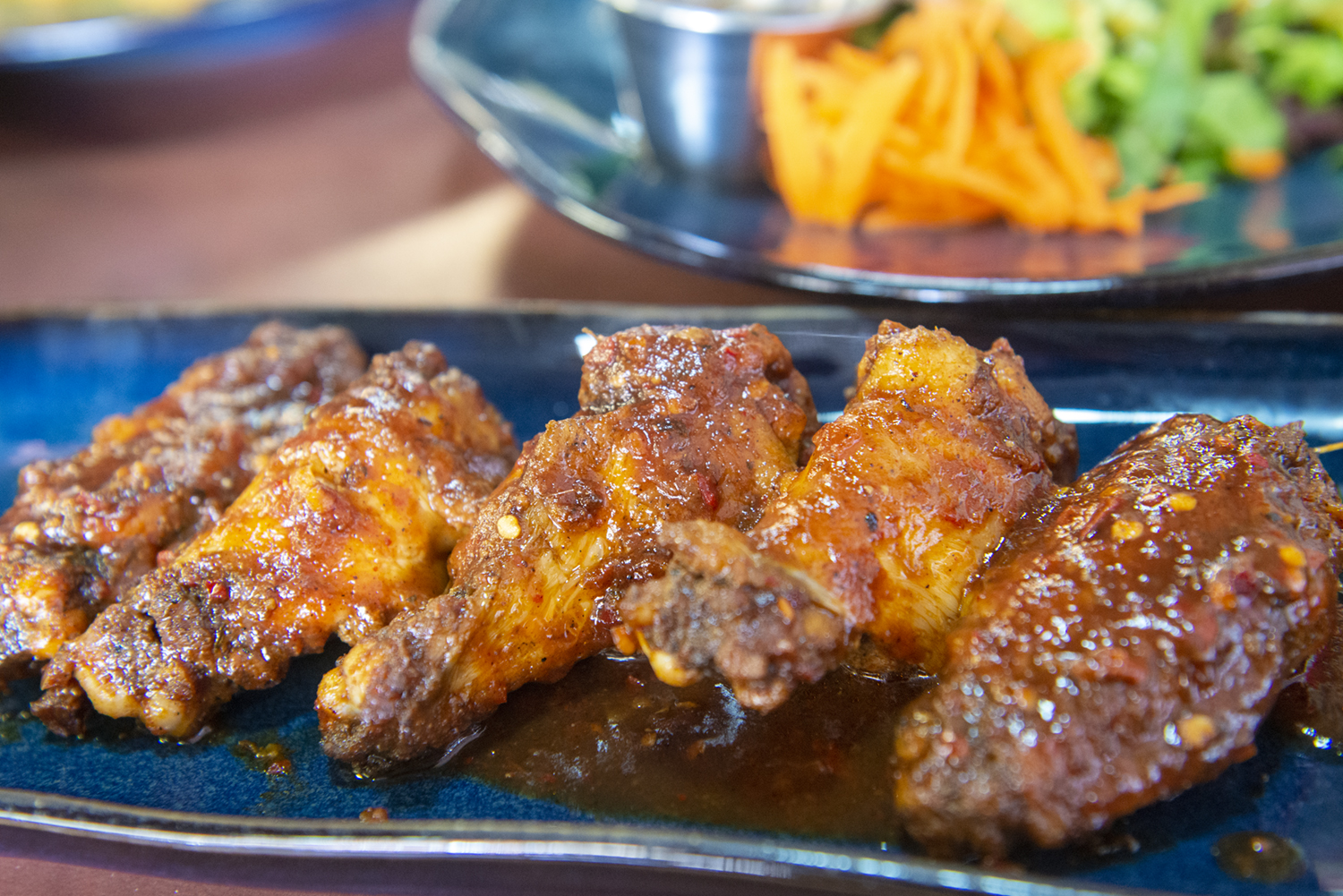
A hundred years is long enough for recipes to travel by memory, by marriage, by migration, and by necessity. It is long enough for a dish cooked over coal or wood to move onto a gas stove in a city apartment, yet still taste unmistakably like home. It is long enough for a grandmother’s saltfish fritters, a market vendor’s pepper sauce, or a Sunday pot of pelau to become more than food. They become identity, shorthand for belonging, proof that culture can survive distance, hardship, and change.
That is what makes a Caribbean food centennial worth reflecting on. Not because a neat clock has ticked over, but because the last century in Caribbean cooking tells a story larger than menus or ingredients. It speaks to plantation histories and port cities, to fishing villages and roadside stalls, to church halls, Carnival mornings, and family yards full of folding chairs. Caribbean food has always done double duty. It feeds hunger, and it holds memory.
Anyone who has spent real time around Caribbean kitchens knows that the food itself is only part of the event. The sounds matter too. A heavy pot lid rattling on bubbling stew peas. A pestle pounding green seasoning. Oil snapping as plantains hit the pan. Someone insisting the sorrel needs one more strip of orange peel. Someone else standing too close to the pot, “just tasting,” until enough “tasting” has become a serving. The meal rarely belongs to one person. Even when a single cook leads, the food is communal in spirit. That is one reason Caribbean cuisine has remained so resilient over the past century. It is difficult for a living tradition to disappear when entire families keep rehearsing it together.
A cuisine shaped by movement
The Caribbean is often described as a crossroads, and in food that description holds up. Indigenous ingredients and techniques laid the earliest groundwork. African culinary knowledge, brought by enslaved people under brutal conditions, transformed the region’s cooking at a foundational level. European colonial influence altered available ingredients, social rituals, and trade patterns. Indian indentured laborers added techniques, spices, and dishes that are now inseparable from several islands’ food cultures. Chinese, Lebanese, and other migrant communities left their own marks. The result is not a single cuisine but a family of cuisines that share certain instincts: bold seasoning, practical thrift, respect for starches, deep knowledge of preservation, and a talent for turning local produce into celebration.
Over the last hundred years, these influences have not stood still. They have kept blending. A Trinidadian curry carries one history. A Jamaican patty, with its flaky crust and curried filling, carries another. A Puerto Rican pastel, a Dominican sancocho, a Haitian joumou, a Bajan pudding and souse, a Guyanese pepperpot, a Cuban ropa vieja, a Lucian green fig and saltfish, all speak in different accents, but they belong in the same broad conversation.
That conversation has always been tied to trade and adaptation. Caribbean cooks learned to work with what was plentiful, what was affordable, and what would keep in heat. Salted cod became a staple not because it was native, but because preserved fish moved well through colonial trade routes and lasted where fresh food could be inconsistent. Root crops such as cassava, yam, eddoes, and sweet potato became the backbone of many meals because they were hardy and filling. Coconut, breadfruit, pigeon peas, plantains, callaloo, ackee, and countless varieties of beans and peppers filled out regional repertoires with both flavor and practicality.
When people talk vaguely about “island food,” they often miss this practical intelligence. Caribbean cooking is festive, yes, but it is also disciplined. It understands weather, scarcity, spoilage, fuel, and labor. A good cook in the region has traditionally needed more than taste. That person needed judgment.
The Sunday table and the festival stall
If there is one place the past century of Caribbean food can be read clearly, it is the divide, and the overlap, between everyday meals and special occasion cooking. The Sunday table has long carried unusual weight across the region and diaspora. In many homes, Sunday lunch is where the week’s best ingredients appear and where time is spent more generously. Rice and peas, stewed chicken, macaroni pie, fried plantains, callaloo, fresh salad, and something sweet after, perhaps rum cake or bread pudding. The exact menu changes by island, class, religion, and family custom, but the principle stays familiar. Sunday means abundance, even when abundance must be cleverly managed.
Festival food follows a different rhythm. It is louder, more portable, often richer, and designed to meet crowds where they gather. Think of jerk smoke curling above a roadside grill, doubles assembled at speed before dawn, fish cakes sold paper-bag hot, festival bread paired with escovitch fish, black pudding sliced at a stall, conch fritters eaten standing up, or a cup of peanut punch taken between songs. These foods are social by design. They suit parades, beaches, regattas, cricket grounds, Christmas markets, and family reunions.
What is striking over a century is how these two food worlds keep borrowing from each other. A dish once reserved for feast days becomes weeknight familiar. A home recipe gets scaled up for a food truck. A street food gains enough prestige to appear in formal catering. This movement matters because it keeps the cuisine alive. Tradition in the Caribbean is not museum tradition. It is use.
I have seen this most clearly at community events where older cooks and younger vendors work side by side. The older generation often judges by aroma before anything else. Is the thyme right? Was the onion cooked down enough? Did the coconut milk split? The younger sellers often bring sharper branding, neater packaging, and social media savvy, but the vendors who last are the ones who learn quickly that presentation can attract a customer once. Flavor is what brings that customer back next Saturday.
The real engine of Caribbean cuisine: seasoning
The word seasoning can undersell what it means in Caribbean cooking. It is not merely salt and spice. It is the architecture of flavor. Across the region, cooks build depth with combinations of scallion, thyme, garlic, onion, celery, culantro or chadon beni, parsley, allspice, ginger, Scotch bonnet or other hot peppers, citrus, and vinegar. The mix shifts from island to island and from household to household. There is no single correct formula, and that is exactly the point.
A proper green seasoning is often the difference between decent food and unforgettable food. So is patience. Meat is rubbed down ahead of time, fish may be washed with lime or vinegar, beans are simmered until they surrender, and sauces are left alone long enough to marry. The cuisine rewards cooks who understand timing. Add the pepper too early and heat dominates. Add herbs too late and they taste raw. Push coconut milk too hard and it breaks. Rush browning and the stew tastes flat.
This is where outsiders sometimes misunderstand Caribbean food. The flavors are bold, but they caribbean food centennial are rarely careless. A great curry goat should taste layered, not merely hot. A fine bowl of callaloo should feel earthy, green, and rounded, not muddy. Good jerk is not only fire and smoke. It carries sweetness, spice, pimento, thyme, and the bitterness of char in balance.
For a centennial reflection, seasoning matters because it is one of the clearest examples of continuity. Kitchens change. Appliances change. Shopping habits change. The instinct to season deeply has not changed.
Dishes that carry history forward
Certain foods have become shorthand for whole islands, though any local cook will tell you the shorthand can flatten important nuances. Even so, some dishes have earned their symbolic status because they sit at the intersection of memory, skill, and public life.
Here are a few that often anchor conversations about Caribbean food across generations:
- Jerk meats and fish, especially in Jamaica, where smoke, pimento, pepper, and technique define the result as much as the protein itself.
- Doubles and roti in Trinidad and Tobago, shaped by Indian influence and now central to both daily eating and national food identity.
- Rice and peas or pelau, which turn pantry staples into meals that feel at once practical and ceremonial.
- Saltfish in its many forms, from fritters to buljol to pairings with ground provisions, a legacy of preservation and adaptation.
- Pepperpot, sancocho, and other long-simmered one-pot dishes that gather people by aroma before the table is even set.
What binds these foods is not uniformity. It is endurance. They have lasted because they answer real needs. They feed many people. They suit local climates and available ingredients. They can be humble or elevated. They taste of place.
The best versions also reveal a truth that serious cooks understand: recipes are only partial maps. The rest comes from repetition. How dark should the sugar go before browning chicken without turning bitter? How much cassareep is enough in a pepperpot? When is a dumpling cooked through but not heavy? These judgments are learned in kitchens, not by reading ingredient lists alone.
Migration changed the table, but not the appetite for home
No honest account of the last century can ignore migration. Caribbean food today is as alive in Brooklyn, Toronto, London, Miami, and Birmingham as it is in Kingston, Port of Spain, Bridgetown, or Santo Domingo. In some cases, diaspora communities have preserved older habits that shifted back home under the pressure of modern life. In other cases, migration forced adaptation.
Substitutions became normal. A cook who could not find the right pumpkin used butternut squash. Saltfish came from a supermarket freezer instead of a port market. Scotch bonnet might be replaced with habanero when necessary. Callaloo leaves might give way to spinach for weekday convenience, even if everyone agreed it was not exactly the same. These are not culinary failures. They are the ordinary negotiations of people determined to keep flavors alive.
There is also the question of scale. A family recipe meant for six might become a community recipe for sixty at a church fundraiser or carnival association event. Some of the most memorable Caribbean food I have eaten in diaspora settings came from these improvised large-batch kitchens, where cooks had to work around unfamiliar equipment and inconsistent supply. Those conditions produce a certain kind of expertise. You learn how to keep fried foods crisp under steam trays, how to stretch slaw without making it watery, how to batch sorrel so the spice reads clearly even over ice, how to make a curry deepen over time instead of dulling.
The spread of Caribbean restaurants over the last few decades has also changed public understanding of the cuisine. Yet restaurant food tells only one piece of the story. Some dishes translate well to commercial service. Others do not. A stew that tastes best after sitting may improve for service. Fried items often suffer. Delicate home desserts can disappear because they are labor-intensive and less profitable. This is why the caribbean food centennial is not only about what is visible on menus. It is also about what remains strongest in homes, at wakes, during holidays, and in backyard cookouts where no one writes anything down.
Holiday cooking, where memory gets its sharpest edges
If ordinary meals preserve culture, holiday cooking intensifies it. Christmas, Easter, Carnival, Independence celebrations, and family milestones bring out dishes that many people do not cook every week. Black cake soaked in rum and wine. Pastelles wrapped and tied by many hands. Ham glazed and clove-studded. Ginger beer brewed strong enough to make a child’s eyes widen. Sorrel steeped with spice and citrus. Great pots of soup or stew after late-night festivities. These foods carry ritual, and ritual carries memory with unusual force.
Holiday cooking also exposes one of the quiet truths of Caribbean food culture: labor is often hidden behind joy. A table that looks effortless may represent two or three days of chopping, soaking, grating, marinating, baking, and cleaning. Women have historically borne a great deal of that burden, though men often dominate certain celebrated roles such as grilling, whole-animal roasting, or running visible outdoor fires. Over the past century, that division has shifted in many families, but not entirely.
The important point is not to romanticize the work. Good Caribbean food is often labor-intensive. Some traditions survive because people are willing to do the work, and some fade because modern schedules make that work harder to sustain. Ready-made doughs, bottled seasonings, canned products, and delivery apps are not simply signs of decline. Sometimes they are what make continuity possible for a tired household with jobs, school runs, and little time. Purists dislike that fact, but practical cooks tend to understand it.
What has changed in the last hundred years
A century of Caribbean cooking has not been static, and it should not be described that way. Several major shifts stand out.
First, access has broadened. Ingredients that were once highly seasonal or locally bound can now travel more easily, especially in urban centers and diaspora communities. That has obvious benefits. It also changes expectation. Younger cooks may grow up assuming year-round availability, which can weaken older habits of seasonality and preservation.
Second, health concerns now shape many kitchen decisions. People trim visible fat, use less salt, reduce sugar in drinks, bake where they once fried, or moderate portion sizes. These changes are real, though they exist alongside indulgence. Caribbean food can be deeply nourishing, rich in legumes, fish, vegetables, and ground provisions, but celebratory cooking can also be heavy. The strongest caribbean food centennial cooks adapt without stripping dishes of character.
Third, presentation matters more than it once did in public-facing food businesses. A restaurant serving goat curry today may plate it very differently from a community hall twenty years ago. Social media rewards color, height, and polish. That can push standards upward, but it can also encourage gimmicks. A dish does not become more authentic because it is served on a banana leaf, nor better because it is stacked for the camera.
Fourth, culinary pride has sharpened. Across the region and diaspora, there is stronger interest in documenting recipes, crediting traditions, teaching younger generations, and resisting the flattening label of “Caribbean food” when more specificity is warranted. Jamaican food is not the whole Caribbean. Neither is Trinidadian, Haitian, Cuban, or Puerto Rican food. The shared umbrella is useful, but only if it leaves room for detail.
The family kitchen as archive
The deepest archive of Caribbean cuisine is still the family kitchen. Not because every family is identical, but because so much knowledge remains embodied rather than written. A grandmother pinches dough and knows the texture by touch. An uncle tastes a simmering pot and adds sugar, not enough to sweeten it, only enough to round the edges. A parent teaches a child to cut plantain on the bias because it fries better that way. None of this looks dramatic. All of it matters.
That archive is fragile. It depends on transmission. Many younger people want the flavors of home but were never taught the methods because older relatives cooked by instinct and assumed the knowledge would somehow pass along. It does not pass automatically. Someone has to stand there and learn.
For families trying to preserve that knowledge, a few habits help:
- Cook together before holidays rather than assigning one expert to do everything alone.
- Write down rough proportions, especially for seasoning blends, syrups, and doughs that older cooks tend to measure by eye.
- Record stories alongside recipes, because the memory of where a dish belongs often keeps the recipe alive.
- Accept sensible substitutions, but note what changes in flavor or texture when they are used.
- Teach tasting, not just procedure, since Caribbean food depends heavily on judgment in the pot.
These practices are modest, but they work. They also respect a reality that professionals know well: preserving cuisine is not only about preserving ingredients. It is about preserving standards, context, and the language people use around food.
Why a centennial matters now
The value of looking at a century of Caribbean food lies in perspective. It reveals what has remained sturdy despite immense pressure. Colonization, economic instability, hurricanes, migration, tourism, imported food systems, and changing labor patterns have all shaped what people cook and eat. Yet the cuisine remains remarkably confident. It still trusts seasoning. It still knows the worth of a one-pot meal. It still understands how starch, protein, acid, and heat can be balanced for pleasure and satiety. It still treats hospitality as something edible.
A caribbean food centennial also reminds us that food is one of the most democratic cultural forms. Not everyone writes books, records music, or holds office. Nearly everyone eats, and many people cook. That makes cuisine one of the widest channels through which identity survives. A child may forget family history dates, but remember the exact smell of curry on a Saturday afternoon. An immigrant may lose fluency in one language and retain perfect fluency in the taste of home. A community may disagree about politics and unite around whose black cake is best.
That is not sentimentality. It is how culture actually works.
The next century of Caribbean food will bring more change. Climate pressures will affect fishing, farming, and ingredient prices. Migration will continue to remix traditions. Restaurants will modernize old dishes. Home cooks will keep adjusting for budget, health, and time. Some recipes will fade. Others will return after near disappearance. The cuisines of the region have survived this kind of movement before because they are built on adaptation without surrender.
A century in, the central truth remains plain. Caribbean food is not memorable simply because it is flavorful. It is memorable because it is relational. It binds generations, marks celebrations, softens grief, welcomes strangers, and lets people carry home with them when home is far away. That is a legacy worth honoring, one plate at a time.
Reggae Pot Jamaican Grill
Address: 7562 S University Blvd Unit C, Centennial, CO 80122
Phone: (303) 997-5623
FAQ About caribbean food centennial
What Jamaican dishes can I try in Centennial?
Reggae Pot Jamaican Grill serves Jamaican specialties such as jerk chicken, stewed oxtail, curry goat, and ackee and saltfish. Check the current menu for availability.
What is ackee and saltfish?
It is Jamaica’s national dish. The restaurant prepares ackee with salted cod, onions, thyme, tomatoes, garlic, black pepper, and pimento.
Can I order Jamaican food for pickup in Centennial?
Yes. Choose the Centennial location at 7562 S University Blvd Unit C when placing a takeout order.