Jamaican Food Centennial and the Richness of Local Food Traditions
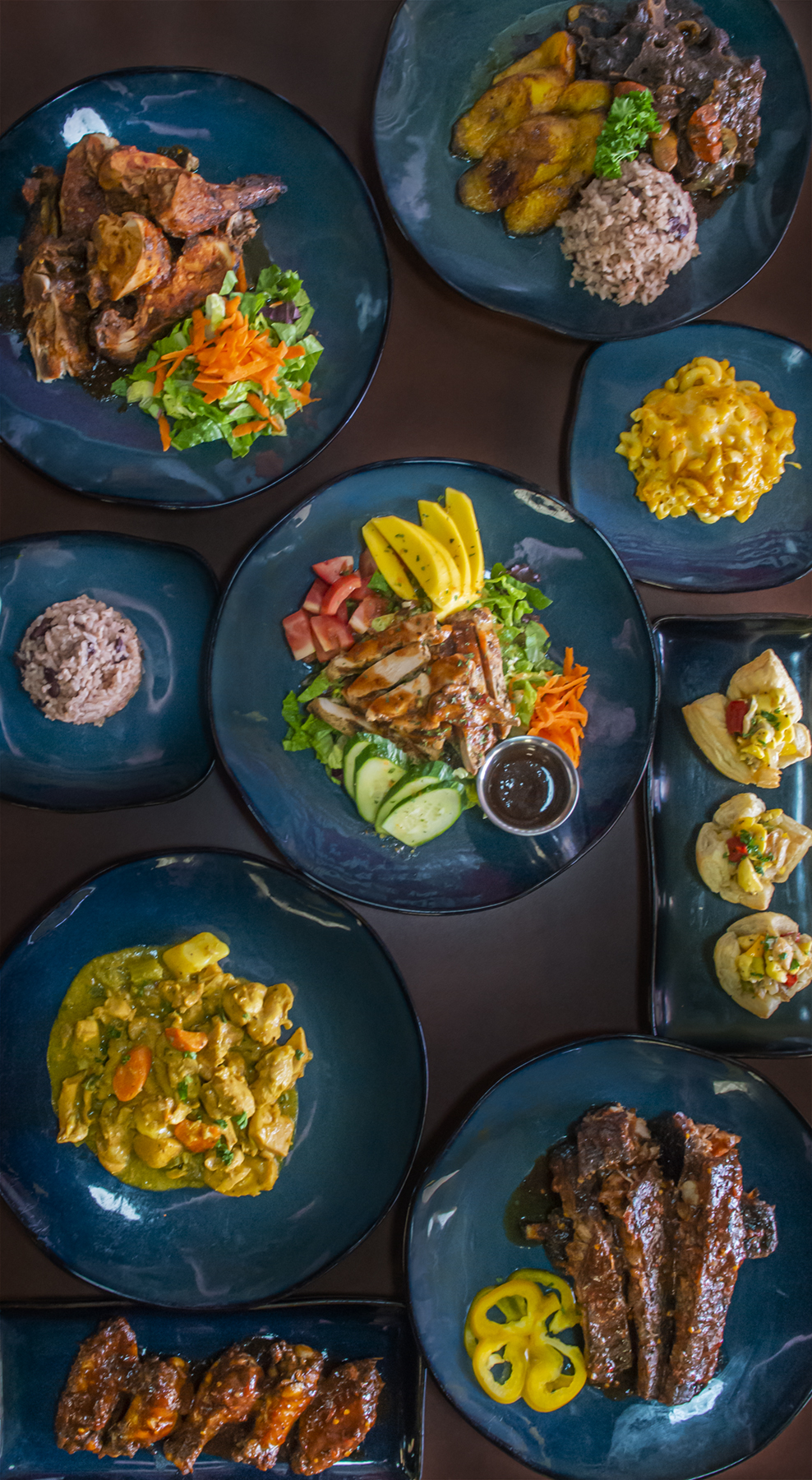
A centennial invites reflection, but food rarely stands still long enough to be pinned to a date. It moves with people, weather, trade, memory, scarcity, celebration, and improvisation. That is especially true in Jamaica, where the story of the table is inseparable from the story of the island itself. To speak about a Jamaican food centennial is not simply to mark one hundred years on a calendar. It is to look closely at how cooking traditions endure while recipes, ingredients, and habits keep adapting to the realities of each generation.
Jamaican food has always carried more than flavor. It carries geography in its use of yam, breadfruit, cassava, and plantain. It carries history in saltfish, a preserved ingredient tied to colonial trade routes that somehow became central to one of the island’s most beloved dishes. It carries resilience in soups built from whatever was available, and pride in festive meals that announce abundance with unmistakable confidence. When people outside Jamaica reduce the cuisine to jerk alone, they miss the deeper truth. The richness of local food traditions lies in the full range, from market produce and ground provisions to Sunday dinners, street food, ritual meals, and family techniques that never made it into cookbooks.
A cuisine shaped by movement and rooted in place
Jamaican cooking is often described as a fusion cuisine, and that is accurate as far as it goes. Indigenous Taíno foodways, West African techniques and tastes, European colonial influences, Indian indentured laborer contributions, Chinese migration, Middle Eastern traces, and wider Caribbean exchange all left their mark. Yet fusion can sound abstract, almost too tidy. In practice, Jamaican food is less like a smooth blend and more like a living archive. Distinct histories remain visible in the pot.
Take pepper, pimento, thyme, scallion, ginger, and garlic, ingredients that appear so often they function almost like a culinary grammar. Or look at methods such as slow stewing, heavy seasoning, smoking over green wood, and frying dough for portability and comfort. These are not random features. They reflect local agriculture, fuel availability, labor patterns, and what people learned to value in flavor and texture.
The island’s regions matter too. Food in the Blue Mountains does not come from the same landscape as food along the south coast. Fishing communities, farming districts, urban neighborhoods, and tourist corridors all shape what people cook and how often they cook it. A cook in Portland may think about one set of ingredients as ordinary, while a family in St. Elizabeth builds a different weekly routine around what grows best nearby. The national cuisine is therefore both singular and deeply local.
That local character is one reason the phrase jamaican food centennial feels meaningful. A hundred-year lens forces us to notice continuity at the neighborhood level, not only the national level. It asks which dishes survived because they were delicious, which survived because they were practical, and which changed because people had no choice.
The market as an unofficial archive
If you want to understand Jamaican food traditions, spend time where ingredients change hands. Public markets tell the truth faster than restaurant menus do. The layout of a produce stall, the season’s price of escallion, the quality of callaloo after heavy rain, the first sighting of mangoes in volume, the quiet respect given to a good yam seller, all of that reveals what matters.
A market visit also shows how much Jamaican cuisine depends on judgment rather than strict measurement. Cooks inspect the skin on a breadfruit, weigh a pumpkin in the palm, bend a stalk to test freshness, and estimate whether a bunch of thyme will hold up through the week. Ask two experienced cooks how much Scotch bonnet to use and you may get two different answers, both sensible. Heat in Jamaican food is not a gimmick. It is managed with care. A pepper can season a pot without rupturing, lending aroma and a spreading warmth rather than brute force. That kind of decision is difficult to teach through text alone. It is learned by repetition, error, and observation.
Over the past century, these market habits have remained surprisingly durable even as supermarkets and imported goods expanded. Convenience has altered shopping patterns, certainly. So has migration from rural areas into Kingston and other urban centers. Yet many households still measure quality by standards formed long before packaged seasoning mixes and frozen shortcuts became common. Freshness, maturity, smell, and texture still matter. That is the sort of continuity a centennial frame helps us appreciate.
Breakfast tells you what a culture values
Jamaican breakfasts are among the clearest windows into local food traditions because they are hearty, specific, and unashamedly substantial. Ackee and saltfish is the international symbol, but its status can obscure the wider breakfast culture around it. A proper Jamaican morning meal often says something straightforward and generous: people need real food to work, travel, study, and get through heat.
Porridges remain central in many homes, made from cornmeal, oats, peanut, plantain, hominy corn, or blends that vary by jamaican food centennial region and family preference. Done well, a porridge is not a thin afterthought. It is rich, warming, and carefully balanced with spice, milk, or coconut milk, depending on the house. Fried dumplings, roasted breadfruit, boiled green bananas, yam, and callaloo also show up regularly, each bringing a different weight and texture to the plate.
Ackee and saltfish deserves its reputation, but it also deserves precision. The dish works because of balance. Ackee is delicate, almost buttery, and can become unpleasant if overhandled. Saltfish brings salinity and structure, but it must be soaked and cooked with restraint or the result becomes one-note. Tomatoes, onions, sweet pepper, thyme, black pepper, and sometimes Scotch bonnet complete the picture. A good version tastes layered rather jamaican food centennial than loud. The best ones often come from cooks who do not rush the sauté and know exactly when the ackee should be folded in and left alone.
Breakfast traditions also reveal how historical hardship can become culinary identity. Salted cod was once a cheap preserved protein tied to exploitative systems. Jamaicans transformed it into something dignified and beloved. That kind of transformation appears again and again in the island’s food history.
Jerk is technique, landscape, and memory
Jerk attracts the spotlight for obvious reasons. The aroma alone can stop a car. Yet jerk is often flattened into a sauce or a restaurant category when it is actually a cooking method shaped by land, smoke, seasoning, and patience. The roots run back to the Maroons, communities formed by formerly enslaved Africans who developed ways to preserve, season, and cook meat in difficult terrain while avoiding detection. That history matters because it places jerk in a lineage of survival and ingenuity rather than mere spectacle.
Traditional jerk cooking relies on pimento wood and, often, pimento leaves, with meat seasoned deeply and cooked in a way that allows smoke and spice to penetrate gradually. Contemporary versions vary widely. Some use drum pans on the roadside, some lean sweeter, some push heat aggressively, and some prioritize smoke over chile. There is room for variation, but there is also a threshold where the name remains and the substance fades. A chicken leg painted with a sugary sauce and charred over anonymous fuel may still sell as jerk, but it does not carry the full sensory logic of the tradition.
Pork remains the classic reference point for many experienced eaters, especially in places associated with the style such as Boston in Portland Parish. Chicken became more dominant partly because it is cheaper, quicker, and broadly acceptable. That shift says something important about modern food culture. Traditions survive not by resisting economics altogether, but by adapting to them. The challenge is keeping enough of the original method intact that the adaptation still means something.
Soups, Saturday rituals, and the dignity of slow cooking
One of the most undervalued aspects of Jamaican cuisine is its soup culture. These are not light starters designed to leave room for a main course. They are meals with backbone. Chicken foot soup, red peas soup, mannish water, fish tea, pumpkin soup, and goat head soup each occupy a distinct place in the culinary imagination. Some are restorative, some are festive, some are associated with weekends, and some arrive with a reputation for reviving the weary.
Saturday soup in particular has the force of ritual. In many households and communities, the day feels incomplete without a pot simmering with provisions, herbs, dumplings, and whatever protein defines the style. Soup is where thrift and generosity meet. A cook can use bones, inexpensive cuts, starchy vegetables, and seasoning to create something expansive and deeply satisfying. The liquid itself becomes concentrated knowledge. It tells you who knows when to add a yellow yam, when a dumpling is ready, and how much thyme a pot can absorb before it turns medicinal.
These traditions have survived because they answer several needs at once. They feed many people. They make use of local staples. They reward time rather than expensive ingredients. They also create social rhythm. A soup is rarely only about the person stirring it. It is about who drops by, who gets sent home with a container, and who judges the consistency with affectionate seriousness.
Street food and the practical genius of portability
Restaurants tell one story about Jamaican food. Streets, buses, school gates, and town centers tell another. Street food matters because it captures everyday appetite under real conditions: limited time, modest budgets, variable weather, and the need for food that can be held, shared, and eaten on the move.
Patties sit at the center of this world. Their appeal is obvious, but their craftsmanship deserves more respect than it often gets. A good patty crust should be flaky without collapsing, rich but not greasy, and strong enough to hold the filling until the last bite. Fillings have diversified beyond beef to chicken, vegetable, soy, shrimp, and combinations shaped by changing tastes and dietary needs. Coco bread turned the patty into a fuller meal and, in its own way, into a cultural icon of practicality.
Roasted corn, jerk from roadside stands, fried fish with bammy or festival, soups ladled into cups, cane juice, bag juice, and seasonal fruit also belong to this tradition. Street food keeps local flavor in circulation, sometimes more faithfully than formal dining rooms do. It also exposes a tension that has grown sharper over time. As food tourism expands, vendors may feel pressure to standardize, overbrand, or soften dishes for visitors. Some adaptation is harmless, even smart. Too much adaptation can strip away the rough edges that made the food memorable in the first place.
The role of celebrations, faith, and family tables
No serious account of Jamaican food traditions can ignore the ceremonial side of eating. Christmas, Easter, funerals, birthdays, church gatherings, nine-night observances, and national holidays all have their own expectations. Food marks mood, hierarchy, and belonging. It can also signal a family’s reputation. People remember who bakes a dependable rum cake, whose sorrel has the right spice balance, and who consistently overcooks the rice and peas.
Christmas in Jamaica, for example, is not only a date on the calendar. It is a season of preparation, baking, steeping, cleaning, and planning. Sorrel, fruit cake, gungo peas, ham, curried goat, and other celebratory foods gather emotional force through repetition. Even households that simplify the menu often preserve a few non-negotiable dishes. These are edible markers of continuity.
Faith communities have their own influence as well. Rastafarian ital cooking, with its emphasis on natural ingredients and, in many cases, avoidance of salt or processed products, contributed a powerful philosophical dimension to Jamaican food culture. Ital is not merely a set of ingredients. It is a worldview about purity, vitality, and respect for the body. Its impact can be seen far beyond explicitly Rastafarian spaces, especially in the wider appreciation for vegetable-forward dishes, fresh juices, and plant-based variations.
Family remains the strongest transmission mechanism of all. Recipes are often inherited imperfectly, through watching rather than writing. That method has weaknesses. Details get lost. Timings stay vague. A younger cook may reproduce a dish three times before it tastes right. Yet that same method preserves flexibility. It teaches cooks to respond to ingredients rather than obey a script.
What changes over a hundred years, and what refuses to disappear
A centennial perspective becomes especially useful when looking at change. Over the past hundred years, Jamaican food traditions have had to navigate urbanization, migration, imported foods, refrigeration, processed seasoning, global media, tourism, and rising food costs. These forces changed what people eat and how often they cook from scratch.
Rice has become even more prominent in some households because it stretches. Imported chicken parts reshaped everyday cooking budgets. Fast food and bakery culture grew. Diaspora communities carried recipes abroad, where ingredients were substituted and tastes shifted. A Jamaican meal in Toronto, London, or New York can feel deeply authentic and slightly different at the same time. Coconut milk may come from a can rather than a freshly grated nut. Thyme may be easier to source than a proper breadfruit. Saltfish may be pricier than local alternatives. Yet the structure of the meal survives.
Some changes improved safety and access. Refrigeration reduced the need for certain preservation habits. Packaged goods save time for working families. Better roads and distribution increased availability in some areas. Still, convenience has costs. Shortcuts can flatten flavor. Heavily processed products can weaken the link between local agriculture and the daily plate. When a culture stops cooking its staples regularly, even for understandable reasons, knowledge thins out quickly.
Three pressures now shape the future of Jamaican food traditions with particular force:
- Rising ingredient costs make traditional dishes harder to cook regularly, especially those built around fish, goat, quality produce, or imported staples like saltfish.
- Climate variability affects yields of key crops, including yam, cocoa, coffee, and some fruits, which in turn changes menus and prices.
- Tourism rewards visibility, but it can also narrow the cuisine to a handful of marketable dishes while sidelining quieter local favorites.
None of these pressures guarantee decline, but they demand attention. Food traditions do not survive on sentiment alone.
Why local food traditions matter beyond nostalgia
There is a temptation to talk about traditional food only in emotional terms. Memory matters, of course, but the value of local food traditions is broader than nostalgia. They support farmers, vendors, fishers, bakers, small processors, and cooks. They preserve agricultural biodiversity by keeping demand alive for specific varieties of yam, banana, pepper, and herbs. They also carry health knowledge, even when that knowledge needs updating in light of modern concerns about sodium, fat, or sugar.
Traditional Jamaican food is not automatically healthy or unhealthy. It depends on the dish, the portion, the frequency, and the method. A bowl of ital stew and a late-night serving of heavily sweetened beverage speak to different nutritional realities. What deserves emphasis is that local food traditions offer a framework for balanced eating when interpreted thoughtfully. Ground provisions, legumes, leafy greens, fresh fish, fruits, and soups all have a natural place within the cuisine. The issue is not tradition itself. The issue is how modern living sometimes distorts it.
There is also a cultural sovereignty argument here. When a people maintain confidence in their own foodways, they are less vulnerable to the idea that value only comes from outside. Jamaican cuisine has long proven its excellence, but excellence needs stewardship. That means teaching younger cooks, paying farmers fairly, documenting regional dishes, and respecting the unglamorous foods that sustained communities long before they became fashionable.
Carrying the next hundred years
The future of the jamaican food centennial conversation should not be limited to anniversary speeches or curated tasting menus. The real work happens in ordinary places: school kitchens, market stalls, family gatherings, community festivals, and home gardens. A cuisine survives because enough people keep practicing it, arguing over it, refining it, and passing it on.
One practical sign of hope is the renewed interest among younger Jamaicans and members of the diaspora in bread baking, soup making, backyard gardening, and heritage recipes. Another is the growing effort by chefs to present local ingredients with seriousness rather than apology. The strongest versions of that effort do not imitate European fine dining with Jamaican garnish. They begin from Jamaican logic, then apply technique with discipline.
Preservation does not mean freezing the cuisine in place. It means understanding what must remain recognizable even as conditions change. A patty can evolve. Jerk can travel. Ital can expand. Ackee can appear in new contexts. But the core values should hold: respect for ingredients, confidence in bold seasoning, careful handling of heat, trust in starches and provisions, and an instinct for making food both sustaining and communal.
A hundred years is long enough to watch trends rise and disappear. It is also short enough for precious knowledge to vanish if neglected. Jamaican food traditions have survived slavery, colonialism, scarcity, migration, and commercialization because they were never only recipes. They were systems of care, adaptation, and pleasure. That is what makes them rich. That is what makes them worth defending. And that is why any reflection on a Jamaican food centennial should begin, and end, with the people who still keep the pot on the fire.
Reggae Pot Jamaican Grill
Address: 7562 S University Blvd C, Centennial, CO 80122
Phone number: +13039975623
FAQ About Jamaican Food Centennial
What is typical Jamaican food?
Typical Jamaican food features bold, vibrant flavors created by blending African, Taino, European, and Asian influences.
What is a famous Jamaican dish?
The most famous Jamaican dish is Ackee and Saltfish, which is the national dish of Jamaica.
What are the top 10 foods to eat in Jamaica?
AI Overview The top 10 traditional foods to eat in Jamaica are bold, flavorful dishes that mix local ingredients with global influences.