Jamaican Food Centennial: Honoring Farmers, Cooks, and Communities
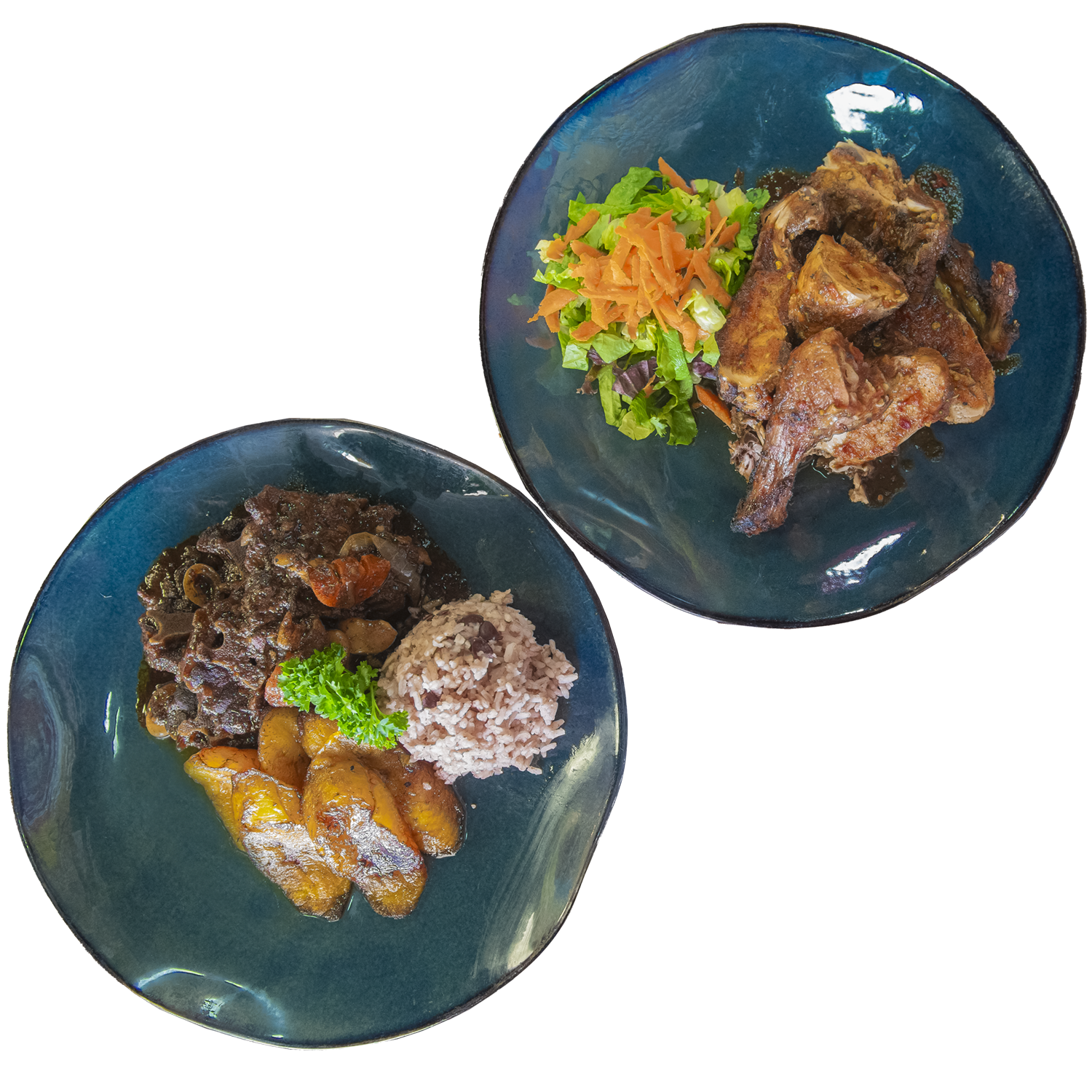
A centennial invites more than nostalgia. It asks a harder question: what exactly are we celebrating when we mark one hundred years around food? With Jamaican cuisine, the answer is never limited to recipes on a page or plates on a table. A true Jamaican food centennial reaches into the hills where yam and dasheen are pulled from the soil, the fishing beaches where morning catch still sets the rhythm of local trade, the market stalls where women have built livelihoods for generations, and the family kitchens where memory is preserved in seasoning, texture, and heat.
Food in Jamaica has always carried more than flavor. It carries labor, migration, resilience, class, ingenuity, and ceremony. A pot of soup on a Saturday, a roadside pan of jerk, a bunch of callaloo tied at market, a Christmas cake dark with rum and fruit, all of it tells a story about who worked, who cooked, who sold, who gathered, and who ate last. That is why any meaningful reflection on a Jamaican food centennial should honor not only beloved dishes, but also the farmers, cooks, and communities who kept them alive through drought, colonial disruption, inflation, migration, tourism booms, and changing tastes.
More than a menu
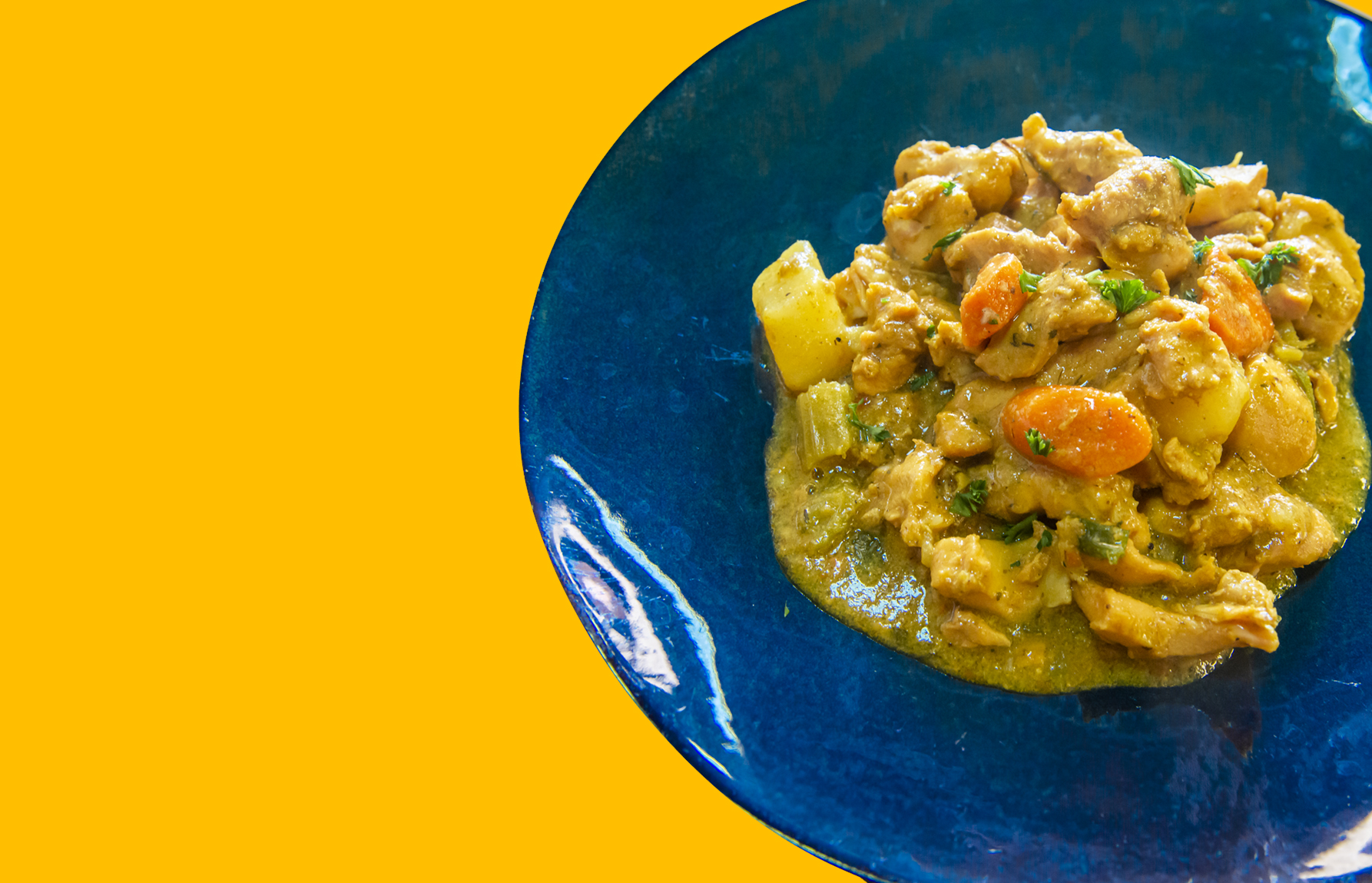
Visitors often meet Jamaican food through a few famous signatures: jerk chicken, ackee and saltfish, curry goat, patties, rice and peas. Those dishes matter, and they deserve their acclaim. Still, anyone who has spent real time around Jamaican kitchens knows the cuisine is far broader and more regionally textured than the export version suggests.
The Jamaica of the interior tastes different from the coast. St. Elizabeth has long been associated with rich agricultural output, including tomatoes, peppers, onions, and root crops. Portland carries strong associations with jerk traditions, breadfruit, seafood, and lush produce from well-watered land. In the Blue Mountains, altitude and cooler temperatures shape what grows well and how people cook. Urban Kingston, meanwhile, has its own culinary pulse, shaped by migration from every parish, street food culture, bakeries, Chinese Jamaican influences, and the demands of fast-paced city life.
A centennial worth its name should make room for that full range. It should remember that one family’s breakfast of boiled green banana, yam, and callaloo may sit beside another’s fondness for fried dumpling and mackerel rundown. It should recognize that the same island can produce refined hotel dining, deeply traditional Maroon cooking, Rastafarian Ital meals, school lunch staples, and robust roadside food culture, all without contradiction.
That complexity is one of Jamaican food’s great strengths. It has never been static, and it has never been singular.
The farmers who built the plate
It is easy to romanticize food and forget the fieldwork. That is one reason centennial commemorations can become hollow if they stay too close to polished dining rooms and festival stages. The true backbone of Jamaican cuisine has always been agricultural labor.
Think for a moment about what it takes to produce a “simple” Jamaican meal. Yam requires time, skill, and suitable soil. Callaloo needs attentive cultivation and quick distribution. Scotch bonnet peppers demand respect from anyone handling them, from field to kitchen. Pimento, so essential to jerk, is not just a seasoning on a shelf. It comes from trees that require land, care, and patient harvesting. Breadfruit, once dismissed by some as survival food, depends on trees maintained across generations. Coffee in the mountains is famously exacting. So are cocoa, cassava, banana, coconuts, and the many herbs that deepen flavor in soups, stews, and teas.
Jamaican farmers have long worked within tough margins. Hurricanes can flatten a season in a day. Drought can shrink yields and harden prices. Praedial larceny, a problem farmers across the island know too well, can wipe out the return on months of work. Imported food puts pressure on local producers, especially when price becomes the only thing consumers can afford to prioritize. Add the realities of transport, labor shortages, aging farming populations, and uncertain access to financing, and the picture sharpens. Behind every celebrated dish lies a chain of effort that is rarely celebrated with equal enthusiasm.
That imbalance matters. When people talk about preserving food heritage, they often focus on restaurants, cookbooks, and tourism branding. Those matter, but preservation starts much earlier. If young farmers cannot afford to stay on the land, then dishes become more performative than rooted. If local produce is replaced too often by imported substitutes, then flavor changes, cooking habits drift, and seasonal knowledge begins to erode.
The most honest way to honor a Jamaican food centennial is to put farmers at the center of the story, not at the footnotes. They are not suppliers to culture. They are creators of it.
Women at the market, women at the stove
Any serious account of Jamaican food must also reckon with the central role of women. Across markets, farms, homes, schools, church halls, and informal food businesses, women have sustained Jamaica’s food economy in ways that are often visible yet still undervalued.
Market women in Jamaica did more than sell produce. Historically, they connected rural growers to urban buyers, stabilized household income, spread ingredients across parishes, and helped shape consumer habits. Their knowledge was practical and exact. They knew which yam would hold together in soup, which mango would sell quickly, which callaloo bunches were too old, which season would raise the price of escallion or thyme. They knew how weather in one district could alter market behavior miles away. Their work was commercial, but it was also social. Markets have long functioned as sites of exchange in every sense of the word, where news, advice, price intelligence, and community ties moved with the produce.
In domestic spaces, women preserved methods that formal culinary institutions often ignored. Much of what many people think of as classic Jamaican cooking was refined not in restaurants but in homes. The texture of a proper festival, the judgment needed not to overwork a dumpling, the balance required to keep a rundown from becoming too heavy, the patient browning of sugar for stew peas or brown stew, the knowing glance that tells when a pot has “drawn down” enough, these things are not always written, but they are taught. Often they are taught by watching, tasting, correcting, and repeating.
That kind of transmission can seem ordinary from the outside. It is not. It is how cuisines survive.
There is also a harder side to this history. The labor of cooking has often been treated as expected rather than expert. Community feasts, funerals, church conventions, school events, and holiday gatherings frequently rely on women doing the invisible planning, shopping, seasoning, stirring, serving, and cleaning. The food gets praised, but the labor behind it is taken for granted. A Jamaican food centennial should not repeat that pattern. It should name the work plainly.
The dishes that carry memory
Certain dishes hold particular symbolic weight because they gather history, identity, and ritual into a recognizable form. Ackee and saltfish is a prime example. It is often presented as the national dish, but its real significance lies in how many histories meet inside it. Ackee traces back to West Africa. Saltfish reflects colonial trade and preservation systems. The way it is prepared in Jamaica, typically alongside ground provisions, dumplings, or breadfruit, speaks to adaptation and local preference over time. It is not a museum object. It is a living example of how Jamaican food became Jamaican.
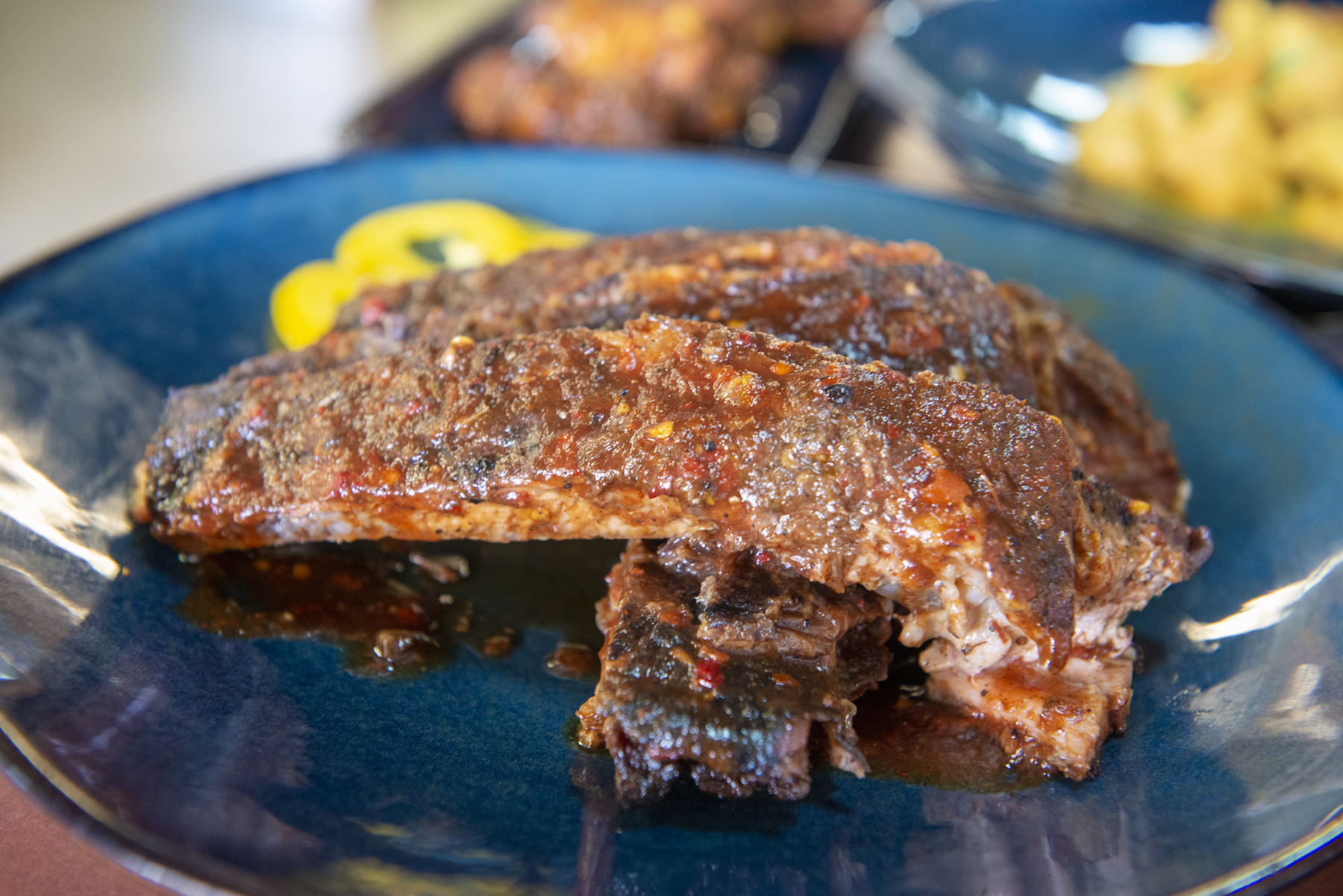
Jerk deserves similar care in how it is discussed. Too often, global marketing reduces jerk to a flavor label slapped onto snacks and sauces. In Jamaica, jerk is not merely seasoning. It is technique, place, smoke, timing, and inherited knowledge. Its roots are tied to Maroon traditions and survival, to methods of preserving and cooking meat in ways that drew on Indigenous and African influence. Authentic jerk has a relationship to pimento wood, to fire management, and to patience. A centennial celebration that ignores that context risks turning heritage into branding.
Then there are the foods of weekly and seasonal rhythm. Saturday soup is more than nourishment. It is social structure. Mannish water, red peas soup, chicken foot soup, pumpkin soup, each has its circle of loyalists and its own household standards. Christmas sorrel, Easter bun and cheese, Good Friday fish, Sunday dinner with rice and peas, all mark time in ways that bind food to calendar and community. When people move overseas, these are often the dishes they recreate first, even imperfectly, because they restore a sense of order and belonging.
Some foods also reveal class and historical necessity. Cornmeal porridge, cassava, salt mackerel, liver, chicken back, soup bones, breadfruit, and certain cuts of meat carried generations through lean periods. What one generation may have eaten because it was affordable, another may later celebrate as heritage. There is dignity in that shift, but also a risk of forgetting why those habits formed in the first place. Romanticizing “traditional food” without acknowledging hardship can flatten the truth. Jamaican cooking is full of brilliance, but much of that brilliance was forged under pressure.
Migration changed the table, but not the core
You cannot tell the story of Jamaican food over the last century without talking about migration. Internal migration brought country cooking into Kingston and other towns, while overseas migration carried Jamaican food into Britain, Canada, the United States, and beyond. Each movement changed the cuisine.
When Jamaicans settled abroad, they adapted ingredients where necessary. Green banana might be easier to find in one city than proper yam. The right thyme, scallion, or Scotch bonnet could be inconsistent. Saltfish might come from a different supplier and taste slightly different. Breadfruit, when available, could be expensive. Cooks adjusted. They substituted where they had to, guarded standards where they could, and taught children how the dish was “supposed” to taste back home.
These diaspora kitchens became preservation sites in their own right. In many families, the grandmother abroad became the keeper of Sunday rice and peas, Christmas fruit cake, curry goat for special occasions, and the exact pepper ratio for jerk marinade. Community events, church dinners, and small takeout businesses helped maintain that continuity. So did remittances and barrel culture, which linked ingredients, tools, recipes, and care across borders.
At the same time, migration broadened the cuisine. Chinese Jamaican cooking, Indian influence through curry traditions, Syrian and Lebanese contributions to commerce and foodways, African retentions, British colonial residues, Rastafarian Ital philosophy, all have shaped the island’s table. Diaspora settings then added another layer, exposing Jamaican cooks to new ingredients and market demands. What emerged was not dilution so much as a series of negotiations. Good cooks know when to adapt and when adaptation goes too far.
That judgment matters now more than ever. Global demand can reward simplification. Sweet, smoky, extra-hot, visually dramatic food often performs well in social media and tourism spaces. Yet some of the deepest Jamaican flavors are quieter: the earthiness of yellow yam, the saline depth of mackerel rundown, the bittersweet balance in cerasee tea, the softness of stewed butter beans done right, the gentle heat that builds in a proper fish tea. These are not always flashy, but they are foundational.
Tourism, pride, and the problem of performance
Tourism has undoubtedly helped spread appreciation for Jamaican food. For many travelers, food is their first serious point of contact with the island’s culture. A well-run hotel, local restaurant, or community food stop can introduce visitors to dishes they might never have tried otherwise. Tourism also creates demand for farmers, fisherfolk, caterers, bakers, and vendors.
But there is a tension here that any professional observer recognizes quickly. Food made for tourists can drift toward caricature. Portions grow oversized, sugar and sauce intensify, spice levels are adjusted for broad appeal, and menus narrow around what visitors already expect to see. There is nothing inherently wrong with adaptation. Restaurants have always adapted to clientele. The trouble begins when the adapted version becomes the dominant story, while local complexity is sidelined.
A Jamaican food centennial should resist that flattening. It should celebrate roadside cooks as readily as celebrated chefs. It should make room for parish-specific specialties, school canteen food, funeral repasts, Rastafarian community cooking, and the ingenuity of home kitchens. It should value the cookshop with perfect stew peas as much as the upscale plate with modern presentation. Heritage becomes fragile when only the photogenic version survives.
There is also an economic question. If culinary tourism grows, who benefits? Do farmers see better prices? Do market vendors gain steadier business? Do small operators get access to promotion and training? Or does value concentrate at the top, while those doing the hardest work remain underpaid? Anniversaries are a good time to ask these things because celebration can otherwise become a polished distraction.
What preservation really looks like
Preserving food culture sounds noble, but in practice it is specific, material work. It means making sure recipes are passed down, yes, but it also means protecting land use, improving market systems, supporting local agriculture, and creating conditions where younger people can build dignified livelihoods in food.
Preservation can happen in several practical ways:
- Documenting older cooks and farmers before their knowledge disappears.
- Strengthening school feeding and public procurement links with local producers.
- Teaching children not only recipes, but ingredient recognition and seasonality.
- Investing in storage, transport, and processing so local crops are less vulnerable to waste.
- Supporting small food businesses that maintain traditional methods without freezing them in time.
These measures are not glamorous, but they matter more than commemorative slogans. A recipe survives best when the ingredients remain accessible, the skill remains respected, and the people doing the work can make a living.
There is also value in recording oral food history with care. Older Jamaicans often hold detailed knowledge that never made it into cookbooks. They know which varieties of yam were best for certain dishes, how market days differed by parish, how wartime shortages altered cooking, which “poor people food” later became sought after, and how imported products changed taste over decades. That knowledge can sharpen public understanding far beyond generic celebrations.
The community table still matters
One of the strongest features of Jamaican food culture is that it remains profoundly communal. Even now, when modern schedules have shortened cooking time and convenience foods have gained ground, the most memorable Jamaican meals are often collective affairs. They involve delegation, banter, waiting, correction, and generosity.
A funeral repast offers one example. It is a solemn occasion, but food there performs essential social work. It gathers mourners, steadies the day, and expresses care in material form. Church harvests and conventions do something similar. So do street dances, school fundraisers, nine-night gatherings in some communities, and family reunions. The menu may vary, but the principle holds: food is part of how people show up for one another.
That community dimension is especially important when discussing the future. Food insecurity, rising costs, and climate pressure are real concerns in Jamaica, as they are across the region. Under those conditions, community kitchens, school meal systems, local growers’ networks, and intergenerational cooking traditions become more than cultural assets. They become part of social resilience.
Anyone who has watched a group prepare a large Jamaican meal knows how much tacit coordination is involved. One person handles the seasoning. Another tends the fire. Someone else peels yam fast enough to matter. A more experienced hand decides when the pot needs more coconut milk or less water. Younger relatives run errands, wash produce, or observe from the side until they are trusted with more. This is not only meal preparation. It is apprenticeship, socialization, and care.
Centennial meaning in a changing food landscape
Over the last century, Jamaican eating habits have changed in visible ways. Imported processed foods have become more common. Fast food and packaged snacks have altered preferences, especially among younger consumers. Time pressures have reduced how often some families cook slower dishes from scratch. Health concerns around sodium, sugar, and fat now shape public discussion, especially where hypertension and diabetes are concerned.
Still, change does not automatically mean decline. Some adaptation is healthy and necessary. Better food safety practices, improved storage, broader nutritional awareness, and innovation in local food businesses can all strengthen the cuisine. The real challenge is deciding what must be protected as the landscape changes.
That requires discernment. A heritage dish may need adjustment for modern health realities without losing its identity. A school lunch program may need to be affordable and efficient jamaican food centennial while still using local staples. Young chefs may reinterpret classics, but they should know the originals well enough to understand what they are changing. Farmers may diversify crops in response to climate pressure, but public institutions can still help keep traditional staples viable.
The phrase jamaican food centennial should therefore mean more than a look backward. It should stand for a living compact between past and future. Respect the elders, but make space for the next generation. Celebrate iconic dishes, but protect the supply chains and labor that make them possible. Welcome innovation, but do not confuse novelty with depth.
A future worthy of the people who fed it
The best food anniversaries do not simply celebrate what has endured. They sharpen responsibility. They remind a country, and its diaspora, that cuisine survives because ordinary people keep doing extraordinary work with limited recognition.
Jamaica’s food story over the last hundred years belongs to small farmers who planted in uncertain seasons, to fisherfolk who read the water before dawn, to market women who moved produce and information across communities, to home jamaican food centennial cooks who turned scarce ingredients into memorable meals, to bakers and vendors who fed working people daily, to Maroon communities who preserved methods under pressure, to Rastafarian cooks who advanced a moral philosophy of eating, to migrants who recreated home abroad from partial substitutes and memory.
When their work is centered, the celebration becomes honest. The plate is no longer treated as an isolated object of pleasure, but as the visible result of a whole social system of knowledge and effort.
That is the centennial worth honoring. Not a sanitized heritage, not a tourist-ready montage, but the real thing: smoke, soil, pepper, market chatter, Sunday pots, weather risk, family argument over the right way to cook breadfruit, schoolchildren learning taste by repetition, elders correcting texture with a glance, communities feeding one another because that is still how life is held together.
Jamaican food has earned its global reputation. The deeper achievement is that it has remained recognizably itself while carrying the marks of history, hardship, migration, and creativity. To honor that legacy fully, we must remember who made it possible, and who still does.
Reggae Pot Jamaican Grill
Address: 7562 S University Blvd C, Centennial, CO 80122
Phone number: +13039975623
FAQ About Jamaican Food Centennial
What is typical Jamaican food?
Typical Jamaican food features bold, vibrant flavors created by blending African, Taino, European, and Asian influences.
What is a famous Jamaican dish?
The most famous Jamaican dish is Ackee and Saltfish, which is the national dish of Jamaica.
What are the top 10 foods to eat in Jamaica?
AI Overview The top 10 traditional foods to eat in Jamaica are bold, flavorful dishes that mix local ingredients with global influences.